
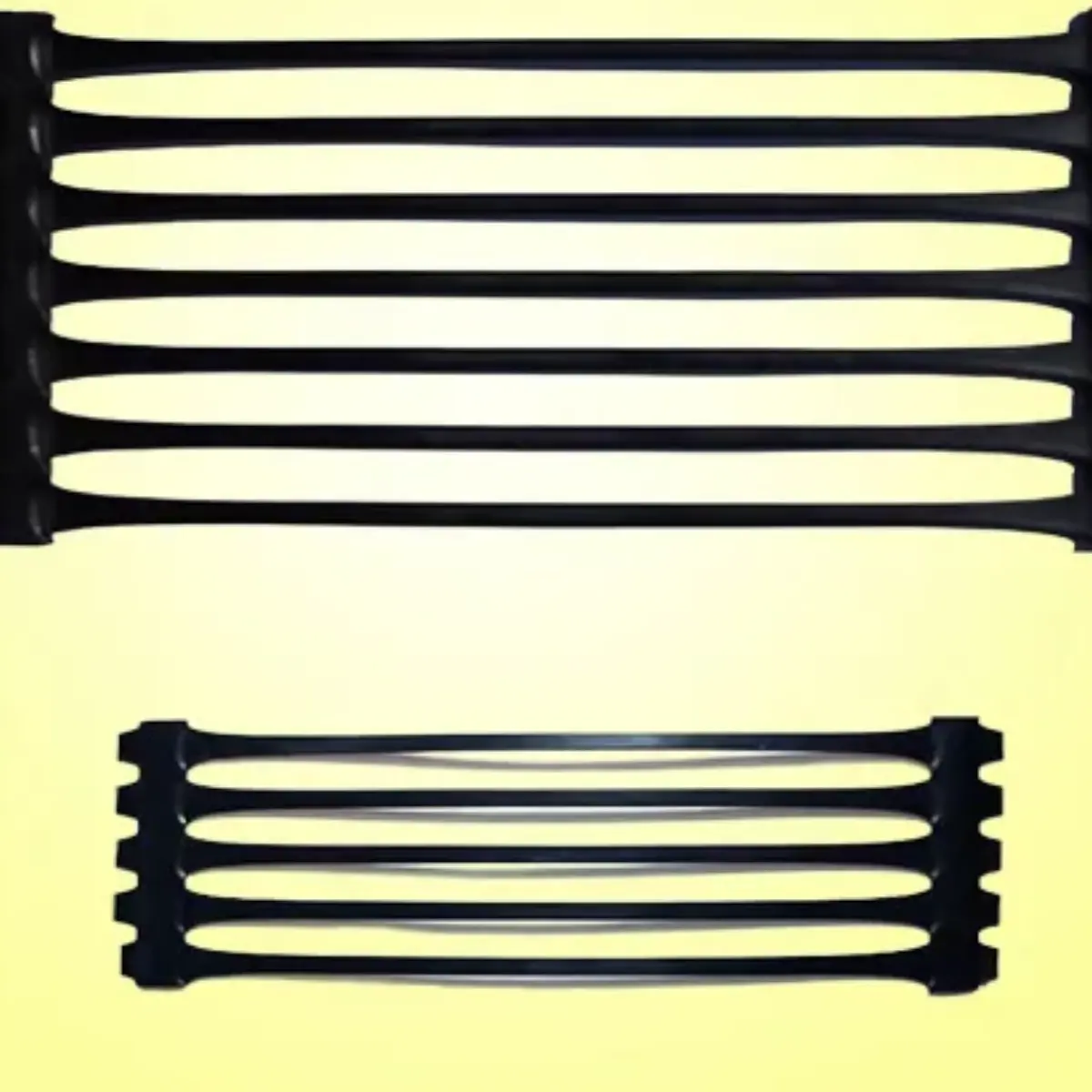
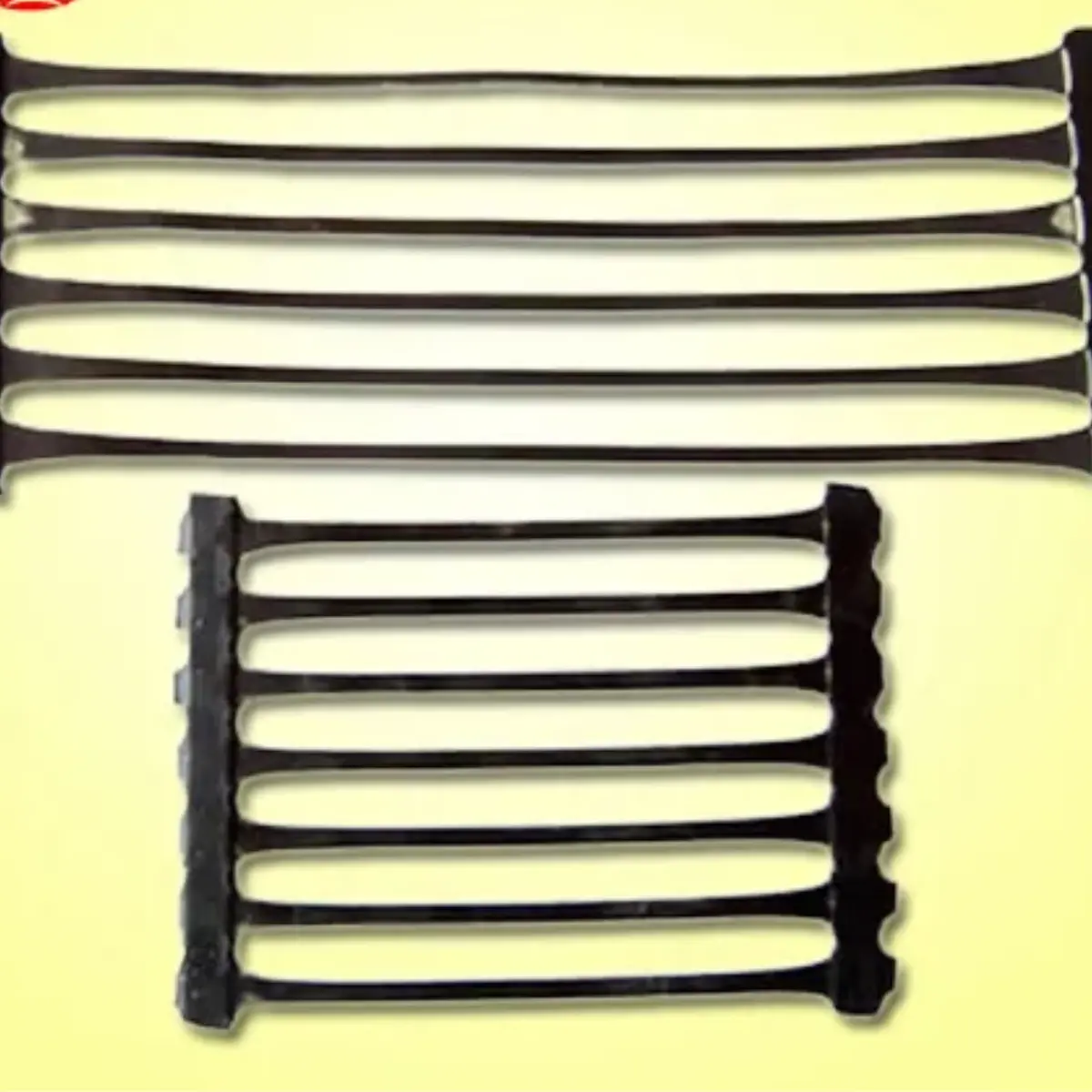
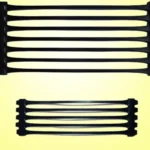
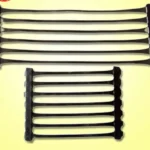
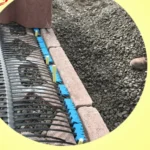
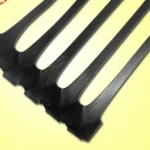

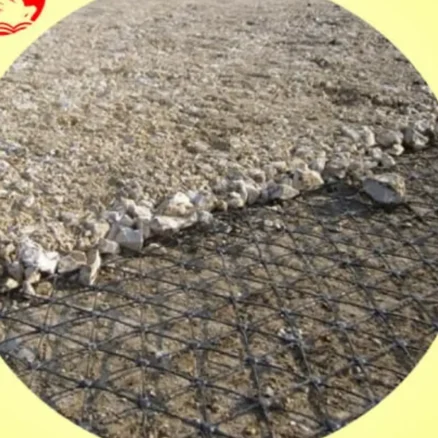
Uniaxial Geogrid
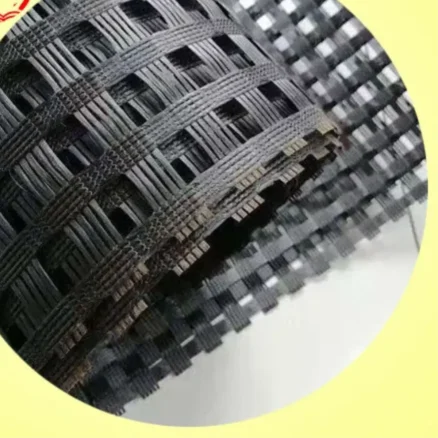
LS Trading is a number one Manufacturer of Uniaxial Geogrid globally, making on a large scale with outstanding quality. Many customers use our products to stabilize soils and improve their moisture and nutrient retention.
Uniaxial Geogrid is a type of soil that has been specifically designed to withstand high winds and heavy loads. It is a good option for sites exposed to high levels of wind or weather conditions, such as wind turbines, construction sites, and agricultural fields. Monoaxial Geogrid can also be used in areas where water runoff is an issue. It contains unique properties that help reduce the intensity and amount of water flowing off the site. LS Trading is one of the best manufacturers of monoaxial Geogrid in the country and provides Geo grid related products worldwide.
High-density polyethylene (HDPE) uniaxial geogrid price is a type of geo grid that has been used in construction since the 1940s. They are designed to be used on both highways and in industrial settings, but they have become more popular with the construction industry in recent years.
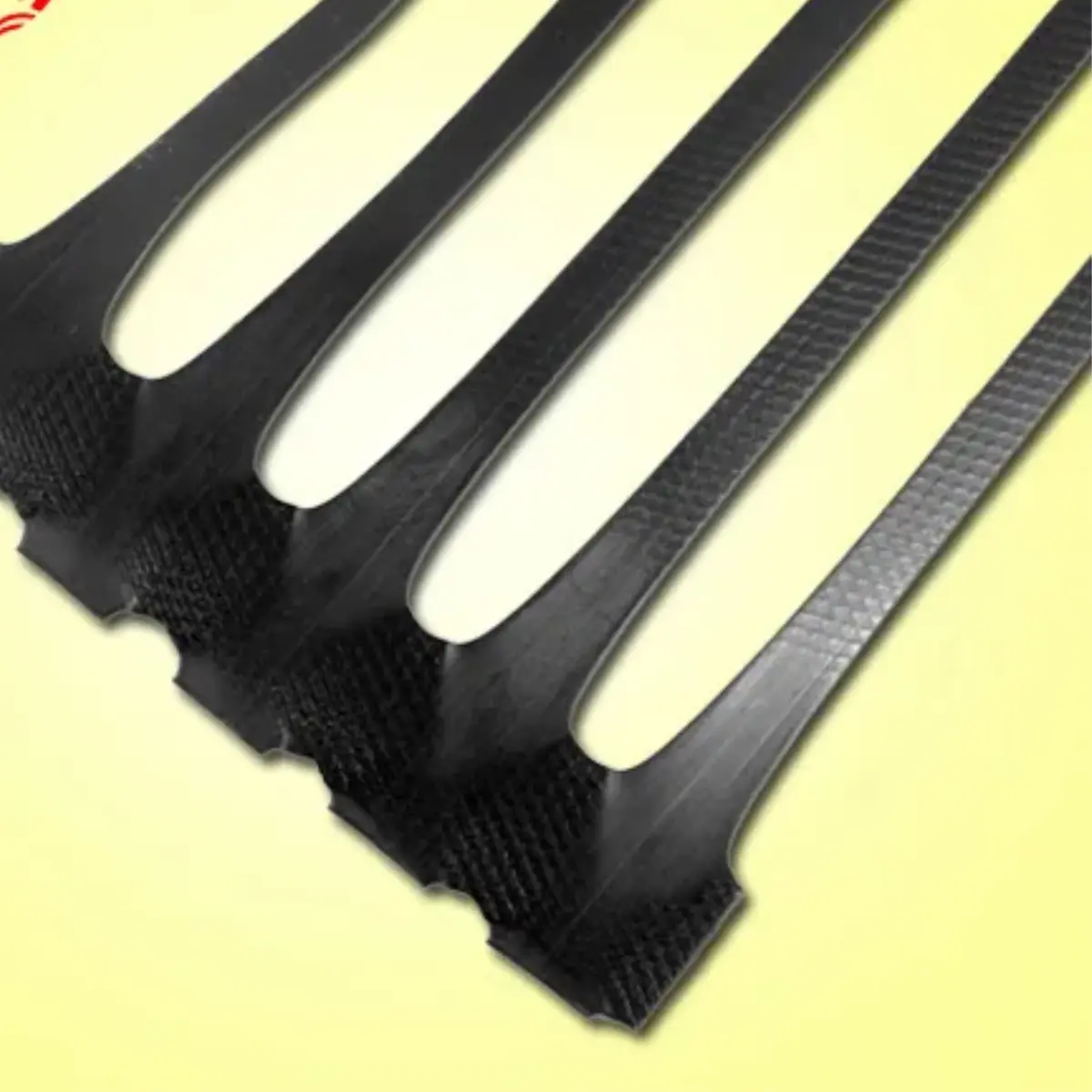
HDPE uniaxial geogrid is made from high-density polyethylene (HDPE) plastic. The density of this material makes it strong enough to withstand heavy weight loads without deforming or cracking. It also has good tensile strength, which means it can hold its shape under stress.
In addition to being strong and flexible, HDPE uniaxial geogrid also have good abrasion resistance, so they can withstand rough surfaces without tearing or ripping apart. They’re also resistant to chemicals like gasoline or oil, making them safe for use around fuel tanks and other areas where chemicals may be present during installation or use.
Features:
Uniaxial geogrids are a type of soil that has a uniaxial orientation. This means that the grains in the soil are oriented in one direction only. Uniaxial geogrids have many benefits for soil erosion control, including:
- They provide a stable foundation for plant growth and prevent erosion by water and wind
- They resist compaction and improve aeration and drainage
- They reduce the amount of water required to retain moisture in the soil
- They improve the physical and chemical condition of the soil by holding more air, water, and nutrients.
- Good Creep Resistance
- Quick Installation
- High Tensile Strength
The orientation of each grain in uniaxial geogrids is determined to be parallel to the direction of least resistance.
Advantages:
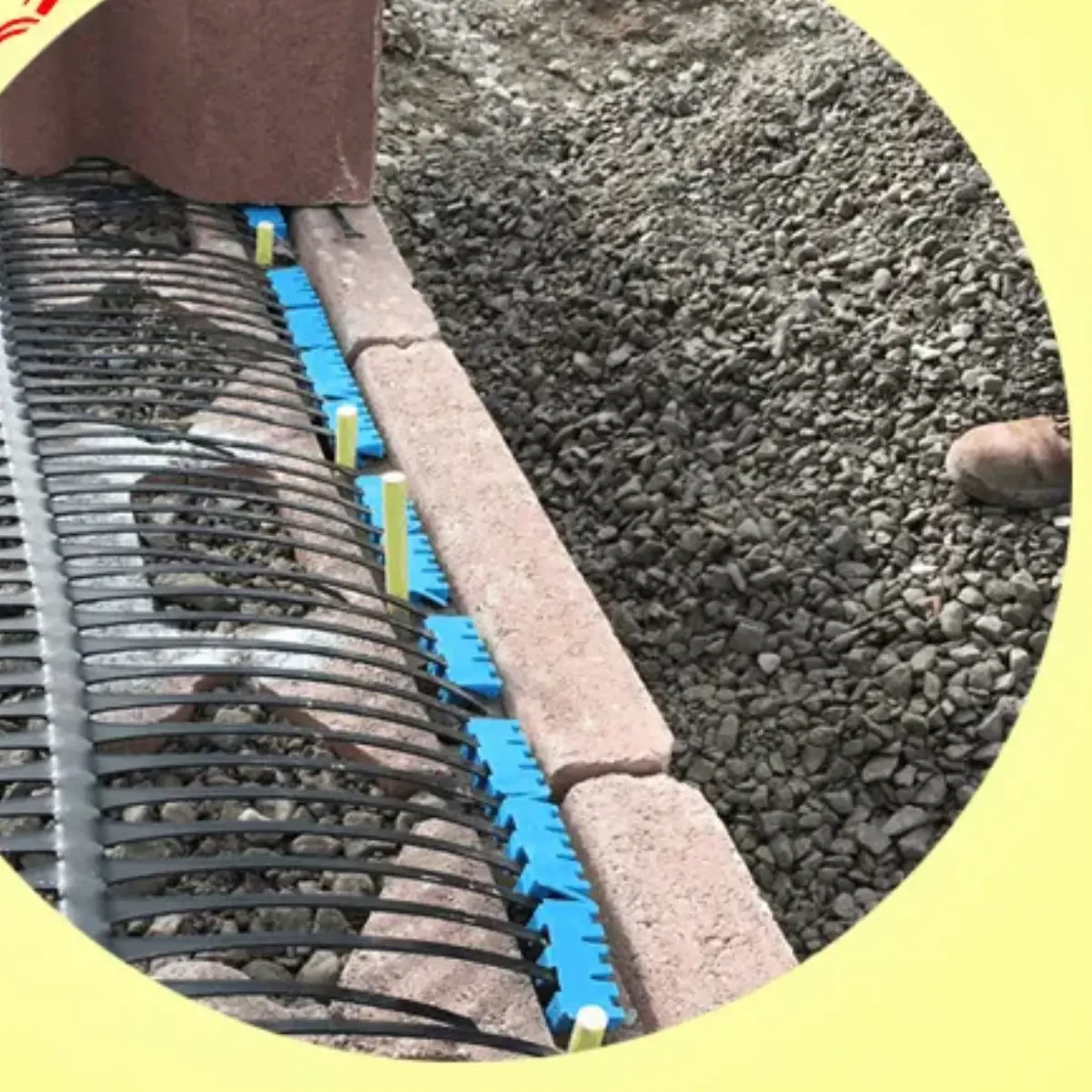
When constructing soil or foundation materials, there are many advantages to using uniaxial geogrids. Geogrids provide stability and uniformity across a large area, which can be beneficial when constructing foundations or constructing soil in regions prone to shifting or settling. Additionally, geogrids can help to conserve water and reduce erosion. Because geogrids provide a consistent spacing across the surface, they can be used to create a structure such as a barrier. An embankment is an artificial barrier that slows or stops the movement of water in certain areas. This type of barrier can help control erosion, and it can also provide a stable foundation for any structures built on top of it.
Geogrids are also used to prevent soil erosion. When a geogrid is laid out on top of the soil, the soil becomes pressed into the grid wire, and the soil’s natural ability to absorb water is effectively limited. This prevents runoff and erosion from taking place, which can help to conserve the water supply and preserve the environment.
Reviews (0)
Applications
Uniaxial geogrid is a type of soil surface with a consistent, uniform texture and can be used in various applications.
- Uniaxial Geogrid is most commonly used as a surface for construction and agricultural purposes, but it can also be used in automotive manufacturing and paintball fields.
It is important to note that Uniaxial Geogrid is not a substitute for traditional soils, and it cannot hold water or nutrients and should not be used in areas that require these properties. Additionally, uniaxial geogrid is not resistant to erosion or decay.
- It is Environment Friendly, and it PRevents Soil from Erosion.
- The use of Uniaxial Geogrid results in more economical construction.
Specification
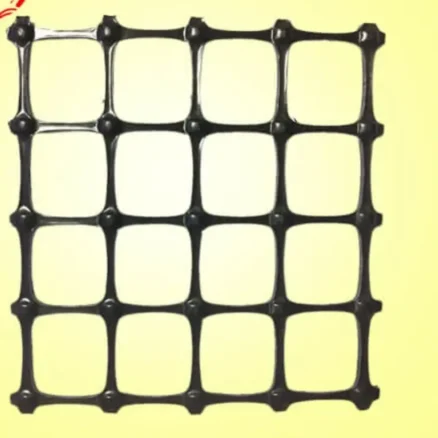
Uniaxial Geogrids are a type of geotextile fabric used as a soil reinforcement or drainage control material. They are made of a single layer of strong, smooth textile fibers tightly woven together to form a grid. Uniaxial geogrids have certain vital specifications that make them the perfect choice for many applications. Below are some of its specifications.
- They are solid and resistant to tearing.
- They have excellent drainage properties, effectively controlling water retention and preventing flooding.
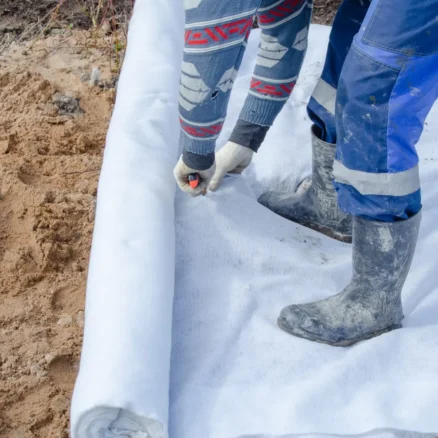
Uniaxial geogrids are easily installed and can be cut to any desired shape or size.




Reviews
There are no reviews yet.